Common Causes of Damage in Brick, Stone, and Block Walls
Understanding common causes of damage in brick, stone, and block walls helps homeowners identify issues, and local contractors can provide expert repair services to restore stability.
Understanding the common causes of damage in brick, stone, and block walls is essential for property owners seeking to preserve the structural integrity and appearance of their buildings. Over time, issues such as moisture infiltration, settling, and exposure to harsh weather conditions can lead to cracks, spalling, or even more significant deterioration. Recognizing these factors helps property owners identify early signs of trouble and take proactive steps to address potential problems before they escalate. Local contractors who specialize in brick, stone, and block wall repair are equipped to diagnose these issues accurately and recommend effective solutions to maintain the durability of these walls.
Exploring the practical reasons why damage occurs can also shed light on how to prevent future issues. Improper installation, poor drainage, or changes in the surrounding landscape can contribute to ongoing wear and tear. When damage is detected, skilled service providers can perform targeted repairs that restore strength and stability, ensuring walls continue to serve their purpose effectively. Whether dealing with minor cracks or more extensive deterioration, property owners can benefit from connecting with experienced local contractors who understand the specific challenges faced in the area and can provide tailored repair services to keep brick, stone, and block walls in top condition.
- Brick wall repair - needed when mortar deterioration or water infiltration causes cracks or instability, with local contractors using targeted repointing and sealing techniques.
- Stone wall repair - required if shifting or settling leads to uneven surfaces or cracks, and service providers often stabilize foundations and replace damaged stones.
- Block wall repair - necessary when impacts or freeze-thaw cycles create damage, with local pros typically replacing broken blocks and reinforcing structural integrity.
- Brick wall repair - needed after exposure to moisture or structural shifts cause deterioration, with local contractors focusing on repointing and waterproofing.
- Stone wall repair - essential when roots or shifting soil exert pressure, with service providers addressing underlying causes and restoring wall stability.
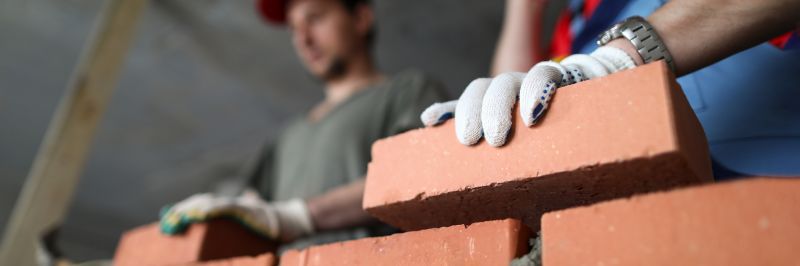
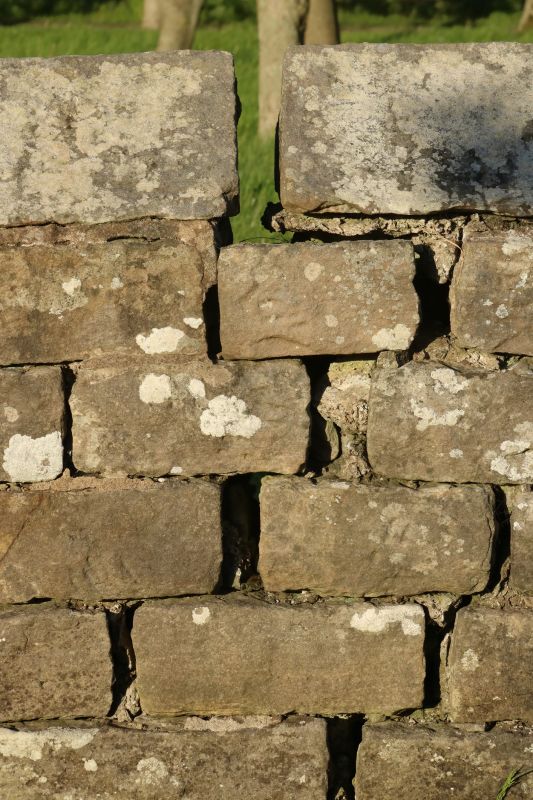
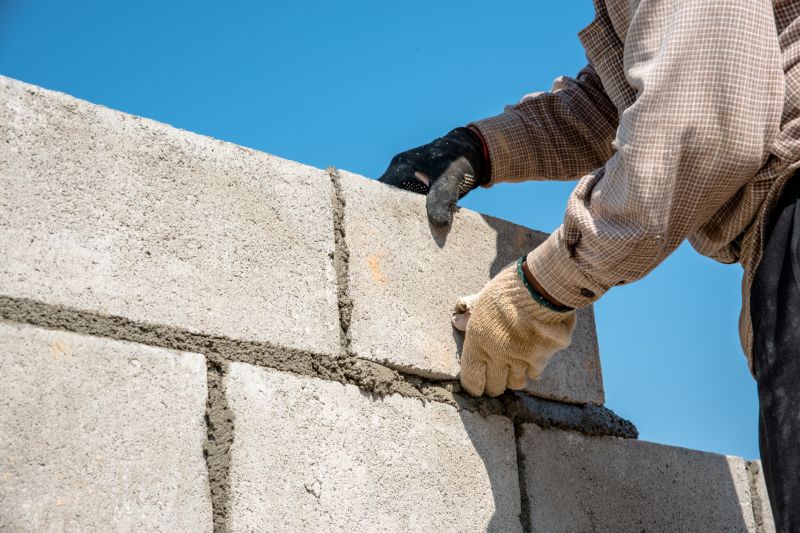
When homeowners search for information about common causes of damage in brick, stone, and block walls, they are usually concerned about understanding why their masonry structures may be deteriorating or showing signs of wear. This topic often comes up in the context of assessing the longevity and safety of exterior walls, garden walls, retaining walls, or basement foundations. People interested in this subject want to identify potential problems early on, so they can plan repairs or maintenance before issues worsen. Recognizing the root causes of damage helps property owners determine whether repairs are straightforward or if more extensive work might be necessary to restore the integrity of their walls.
The problems associated with damage in these types of walls typically relate to issues like cracking, spalling, efflorescence, or leaning. These signs can indicate underlying causes such as moisture intrusion, structural shifting, or material degradation. For example, cracks may develop due to settling or ground movement, while efflorescence-white salt deposits-often signals water moving through the masonry and bringing soluble salts to the surface. Understanding these problems helps homeowners grasp the importance of timely repairs and the role of proper wall construction and maintenance. It also highlights how addressing the root causes can prevent future damage, saving money and effort in the long run.
The types of properties most commonly affected by damage in brick, stone, and block walls include residential homes, especially those with older masonry exteriors or foundations. Commercial buildings, retaining walls, and boundary walls are also frequently impacted, particularly in areas with shifting soil or high moisture levels. Many of these structures are exposed to the elements, making them vulnerable to weather-related wear and tear. Property owners might notice issues like crumbling mortar joints, bulging walls, or water stains, which can compromise both the appearance and stability of the structure. Recognizing the common causes of damage in these walls is essential for property maintenance and ensuring the safety of occupants or visitors.
Local contractors specializing in brick, stone, and block wall repair play a vital role in diagnosing and addressing these issues. They bring practical expertise in identifying the specific causes of damage, whether it’s due to water infiltration, ground movement, or material aging. These service providers can recommend appropriate solutions, such as repointing mortar joints, applying waterproofing treatments, or rebuilding sections of a wall. For property owners, connecting with experienced local pros ensures that repairs are performed correctly and that underlying problems are properly addressed. This proactive approach helps preserve the structural integrity and aesthetic appeal of masonry walls across a variety of property types.
Masonry Restoration Projects - these projects involve repairing and restoring brick, stone, and block structures, requiring skills in identifying and addressing damage causes similar to those in wall repair.
Foundation Repair Services - foundation issues can lead to cracks and damage in walls, and local contractors specializing in foundation work can help address underlying causes of wall deterioration.
Waterproofing and Drainage Projects - preventing water intrusion is key to avoiding damage in brick and stone walls, and service providers in this area focus on protecting structures from moisture-related issues.
Chimney Repair and Restoration - chimneys are often built with brick or stone and can suffer from similar damage causes, requiring expertise in masonry repairs and structural assessment.
Retaining Wall Construction and Repair - these projects involve building or fixing walls that face similar stress and environmental factors, with local contractors addressing common damage causes.
Exterior Wall Sealing and Coating Services - applying protective coatings helps prevent damage from moisture and weather, aligning with efforts to mitigate common causes of damage in masonry walls.
When evaluating contractors for brick, stone, or block wall repair, experience with similar projects is a key factor to consider. Repairing walls affected by common causes of damage-such as water infiltration, freeze-thaw cycles, or structural shifting-requires specialized knowledge of the materials and techniques suited to these issues. Service providers with a proven track record handling walls with comparable problems are more likely to understand the nuances of diagnosing damage correctly and implementing effective solutions. Asking about previous projects or requesting references can help identify contractors who have successfully addressed similar challenges, ensuring that the chosen professional has relevant hands-on experience.
Clear written expectations are essential when selecting a local contractor for wall repairs. A detailed scope of work, including assessment procedures, repair methods, and materials to be used, helps prevent misunderstandings and ensures that both parties are aligned on the project’s goals. Reputable contractors will typically provide comprehensive estimates and explanations of their proposed approach, allowing homeowners to make informed decisions. Having these expectations documented fosters transparency and can serve as a reference throughout the repair process, helping to ensure the work is completed to satisfaction and addressing the specific causes of damage.
Good communication and reputable references are vital indicators of a dependable service provider. Contractors who communicate clearly and promptly can better explain the nature of the damage, potential causes, and recommended repairs, making the process smoother for homeowners. Additionally, seeking references from previous clients who had similar work done provides insight into the contractor’s reliability, quality of work, and professionalism. These factors can help homeowners feel more confident in their choice, knowing that the contractor is capable of handling the complexities associated with common causes of damage in brick, stone, and block walls while maintaining open lines of communication throughout the project.
Property owners often search for common causes of damage in brick, stone, and block walls when they are planning practical projects around their homes and businesses. Local pros provide Brick, Stone, and Block Wall Repair services for everyday jobs and straightforward project options.
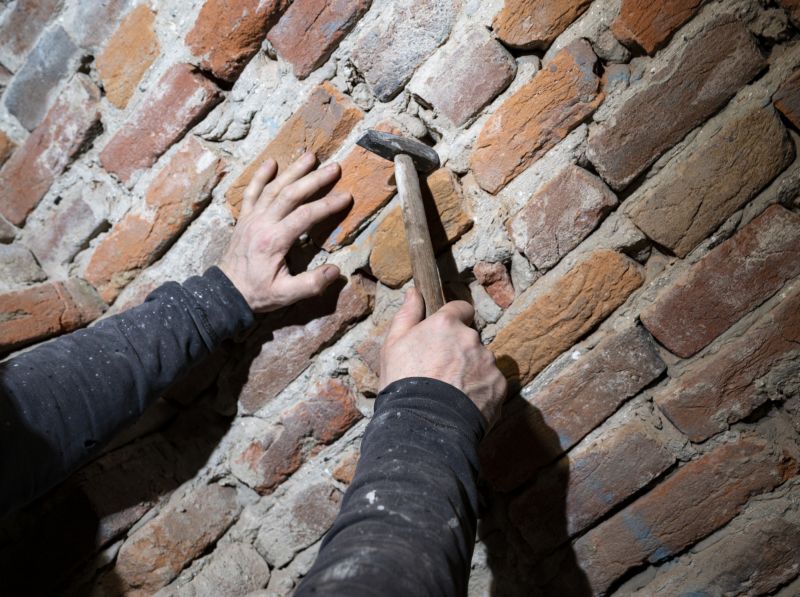
Understanding the common causes of damage in brick, stone, and block walls can help property owners identify issues early and seek appropriate repairs. Everyday situations such as shifting soil, improper installation, or exposure to moisture can lead to cracks, bulges, or deteriorated mortar joints. For example, seasonal changes and ground movement may cause walls to settle or crack over time, while water infiltration can weaken the structure and promote mold or efflorescence. Local contractors experienced in brick, stone, and block wall repair are equipped to assess these problems and recommend effective solutions to maintain the integrity and appearance of the walls.
Property owners often look into repair services after noticing signs like crumbling mortar, loose bricks, or visible cracks. These issues are frequently caused by factors like freeze-thaw cycles, poor drainage, or physical impacts from nearby construction or accidents. In many cases, neglecting minor damage can lead to more extensive issues that compromise the wall’s stability. Local service providers specializing in brick, stone, and block wall repair can address these common causes of damage, helping to restore strength and prevent further deterioration through targeted repairs and proper maintenance practices.
What are common causes of damage in brick, stone, and block walls? Common causes include water infiltration, freeze-thaw cycles, structural movement, poor foundation support, and exposure to harsh weather conditions, all of which can lead to cracking, spalling, or deterioration. Local contractors experienced in wall repair can assess these issues and recommend appropriate solutions.
How does water damage affect brick, stone, and block walls? Water infiltration can cause mortar deterioration, efflorescence, and freeze-thaw damage, leading to weakened structural integrity. Service providers can identify and repair leaks or sealing problems to prevent further water-related damage.
Can temperature changes cause damage to these types of walls? Yes, repeated freeze-thaw cycles can cause expansion and contraction in the materials, resulting in cracking or spalling. Local pros can perform repairs and add protective measures to minimize temperature-related damage.
What role does structural movement play in damaging brick, stone, and block walls? Shifts in the foundation or settling of the building can cause cracks and misalignment. Experienced contractors can evaluate structural issues and carry out necessary repairs to stabilize the walls.
How can poor construction practices lead to damage in these walls? Inadequate mortar application, improper joint sealing, or substandard materials can compromise wall durability, making them more susceptible to damage. Local service providers can identify construction flaws and perform effective repairs to restore stability.
Water infiltration issues - Property owners can identify areas where water may seep into walls and seek local contractors to install proper drainage or sealants to prevent damage.
Structural movement - Recognizing signs of shifting or settling can lead to consulting local pros for reinforcement or stabilization solutions to keep walls intact.
Poor mortar or grout - Regular inspection of mortar joints can highlight deterioration, prompting professional repointing services to restore wall integrity.
Impact or physical damage - Detecting cracks or chips early allows property owners to arrange for repairs from experienced contractors to maintain wall strength.
If you are thinking about common causes of damage in brick, stone, and block walls for a property, this guide is meant to help you understand this topic, the typical project types, and how different options might fit your plans.
When you are ready, you can use the quote form on this page to share a few details about your project. From there, local pros can review the basics and follow up with options that match what you have in mind.